
Hi everyone,
If you're new, welcome! I'm Sam Edwards, co-creator of Stranded Deep and Creative Director for Stranded Deep 2. In these dev blogs I dive into the details of how we're building SD2.
First, some big news. Stranded Deep is free to play on Steam from October 15 to October 19! Whether you're a seasoned survivor who's looking to bring a friend on a new adventure, or want to try it for yourself while waiting for Stranded Deep 2, now's the perfect time to get your feet wet.
Play Stranded Deep free on Steam →
If you enjoy it and want to be part of the next adventure, Stranded Deep 2 is on Steam now. Add it to your wishlist so you don't miss an update.
The desert in SD2 is full of life, and everything that lives here has found a way to thrive. In this blog, I want to introduce two new animals that have adapted, and show you how you will too.
Oryx
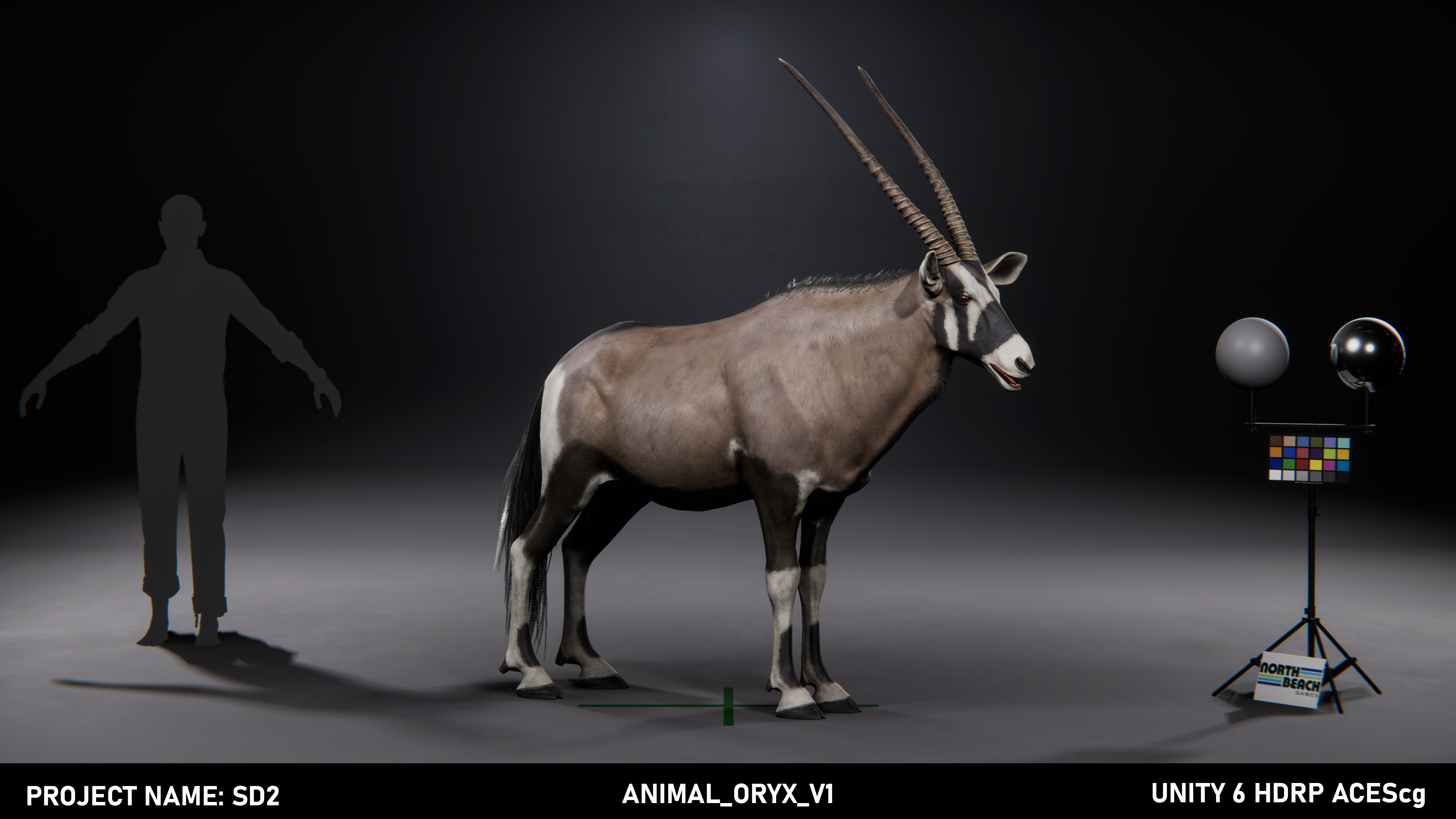
The oryx is a powerful desert antelope with long, straight horns. Our oryx is inspired by the largest oryx species, the gemsbok. In the real world, the gemsbok is a master of desert survival. They roam the hot, dry deserts of southern Africa where water is hard to find. It can go a long time without drinking because it gets most of its water from the plants it eats. On hot days, it lets its body heat up to 45°C/113°F instead of sweating so it doesn't waste water.
You'll find oryx (oryxes?) in SD2 grazing deep in desert valleys. While they look elegant, they're armed with two horns like long, sharp spears that can reach up to a meter in length. In the wild, gemsbok have been known to fight off lions. Our oryx doesn't just run from predators either. They can fight back.
If you decide to hunt an oryx for its pelt and horns, don't expect it to be easy. They're peaceful when left alone, but attack one head on and you could be taking a quick trip back to the main menu. You'll need to come prepared, or just leave it alone.
When we design wildlife for SD2, our goal is to go further than animals that simply run away or attack. I've mentioned in earlier blogs how we're creating a dynamic ecosystem where animals react to you and to each other. We want the world to feel like it existed long before you arrived.
In the future, hunting won't be your only option. Taming and mounts will be coming to SD2 as their own dedicated updates during Early Access. When they arrive, the oryx will be one of the animals you can tame and ride as your sturdy partner for crossing the desert.
Spoonbill
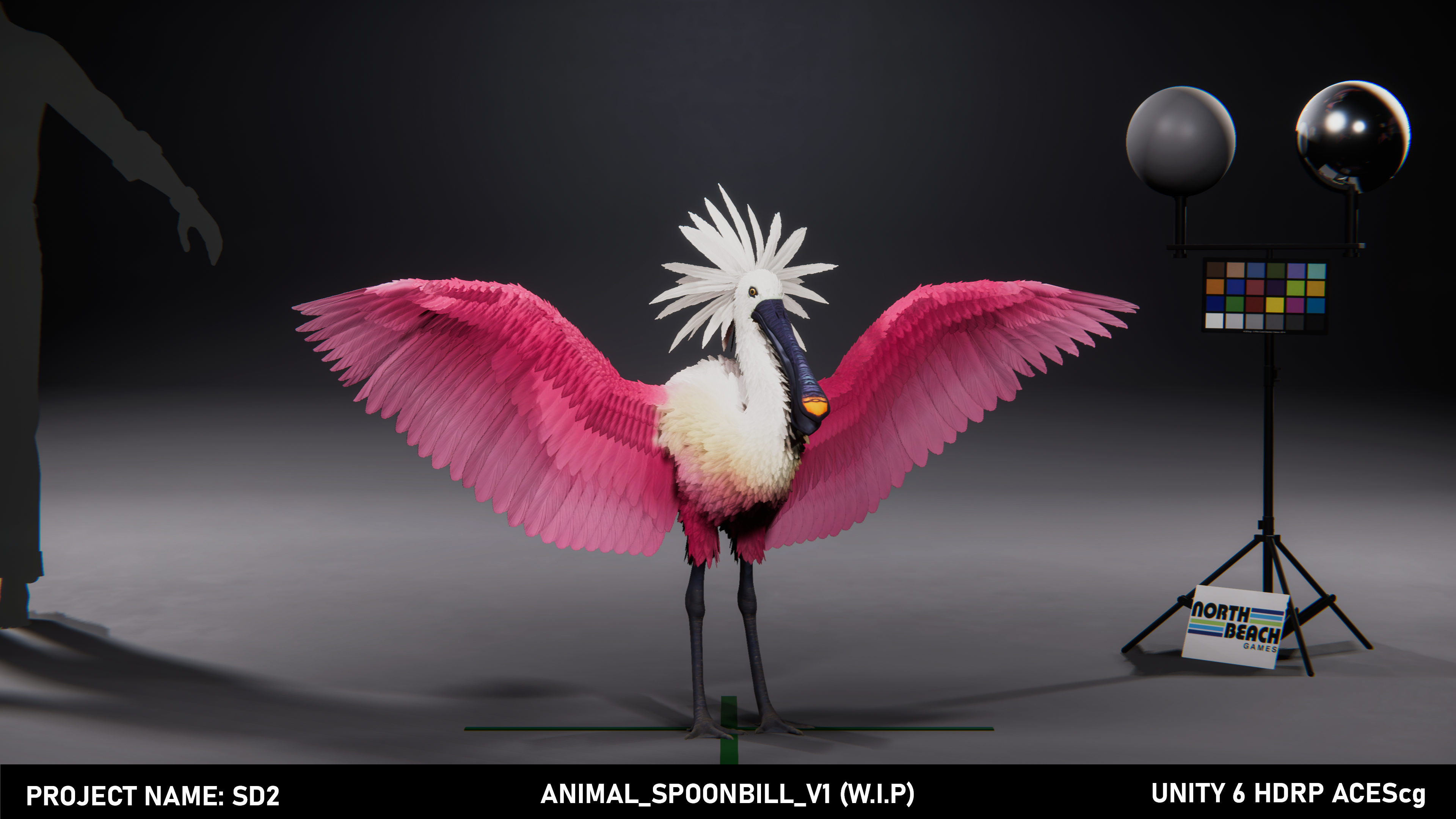
The spoonbill is a strange but majestic wading bird with a spoon-shaped bill and bright pink feathers. Our spoonbill is inspired by the roseate spoonbill. In the wild, spoonbills spend their time foraging for food, wading through knee-deep water, swinging their open bills from side to side and snapping shut when they feel something. Their vibrant pink color comes from their diet, which is full of natural pigments.
In SD2, you'll find spoonbills along the edge of the river, sweeping the shallows for food. Unlike the oryx, spoonbills are very shy and easy to scare. A cool feature of our AI system is how animals react to the "danger level" around them. You have a danger level that changes depending on what you're doing or holding, like crouching, sprinting, or carrying fire. But animals also have their own danger level, so they affect other animals. If you scare one spoonbill, it will scare another. Before you know it, the whole flock has disappeared.
We're also exploring what tamed animals can do for you beyond mounts. Some might fight alongside you, some might warn you of danger. I imagine the spoonbill as a little thief who brings you things it finds every now and again. Maybe that comes from my experience with its Australian cousin, the ibis — better known as the "bin chicken" for its talent for raiding rubbish bins. This idea is still early, but it's one of the fun things I'm excited to explore.
That's two new animals coming to SD2. I got a little National Geographic here, so let me know if you enjoy learning about our animals and why we've chosen them. We'll be sharing more behind-the-scenes of how they're created on our socials and Discord.
The oryx has horns. The spoonbill has its bill. You're an ordinary person dropped into the desert with nothing but your two hands. You'll have to find your own way to adapt and survive, and that starts with what you find and make from the world around you.
Mix and Match
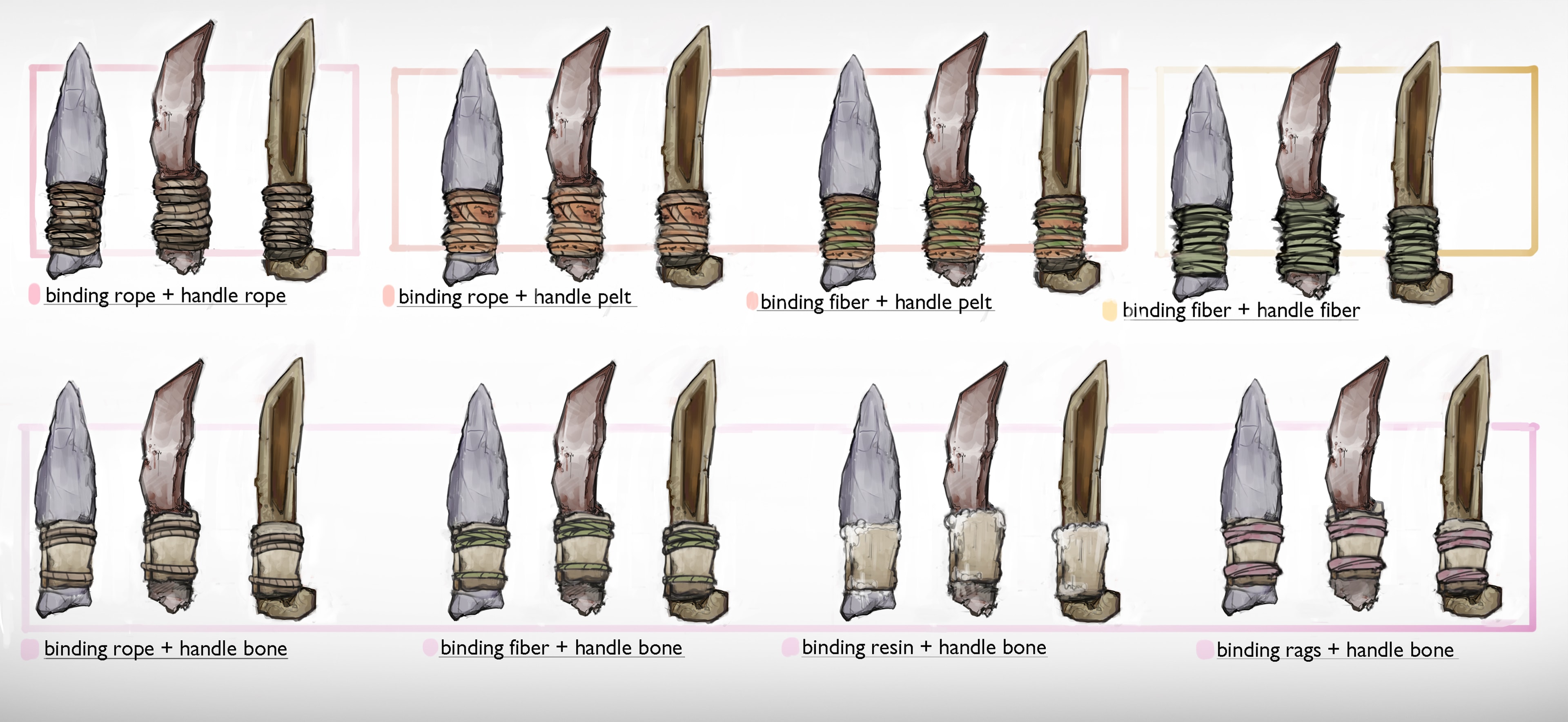
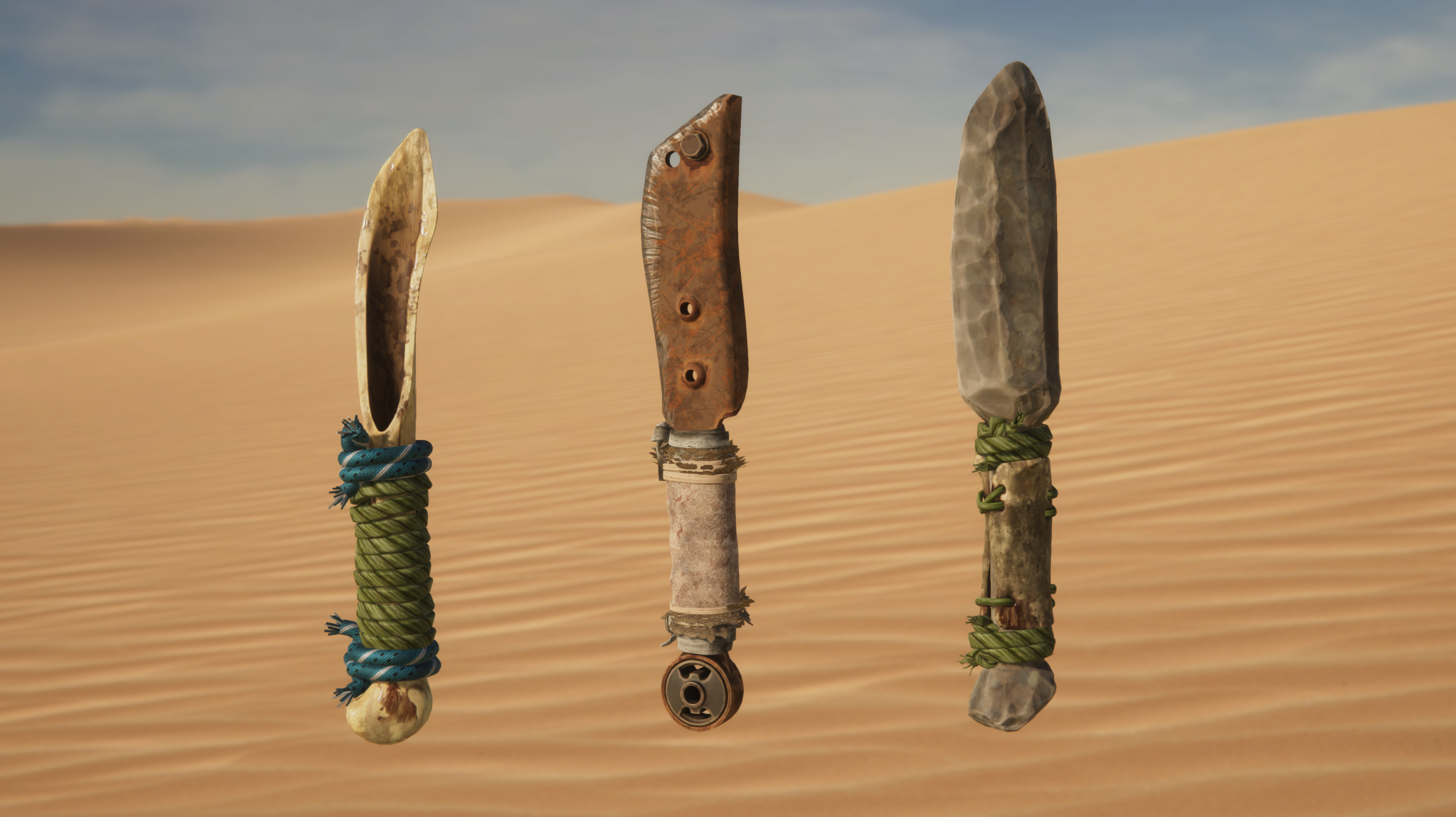
In SD2, your survival depends on quality tools. The new modular crafting system allows you to build tools from many parts. Each tool has a head, a binding, and a grip that can be customized with different materials. Your choices change how the tool looks and how it works. Instead of grinding through tool after tool as they break, you'll craft a few tools you care about, then repair and upgrade them as you find better materials.
So what does that look like in the game? Let's look at the development of a tool like the knife from early sketches to finished models.
We start by exploring lots of different shapes:
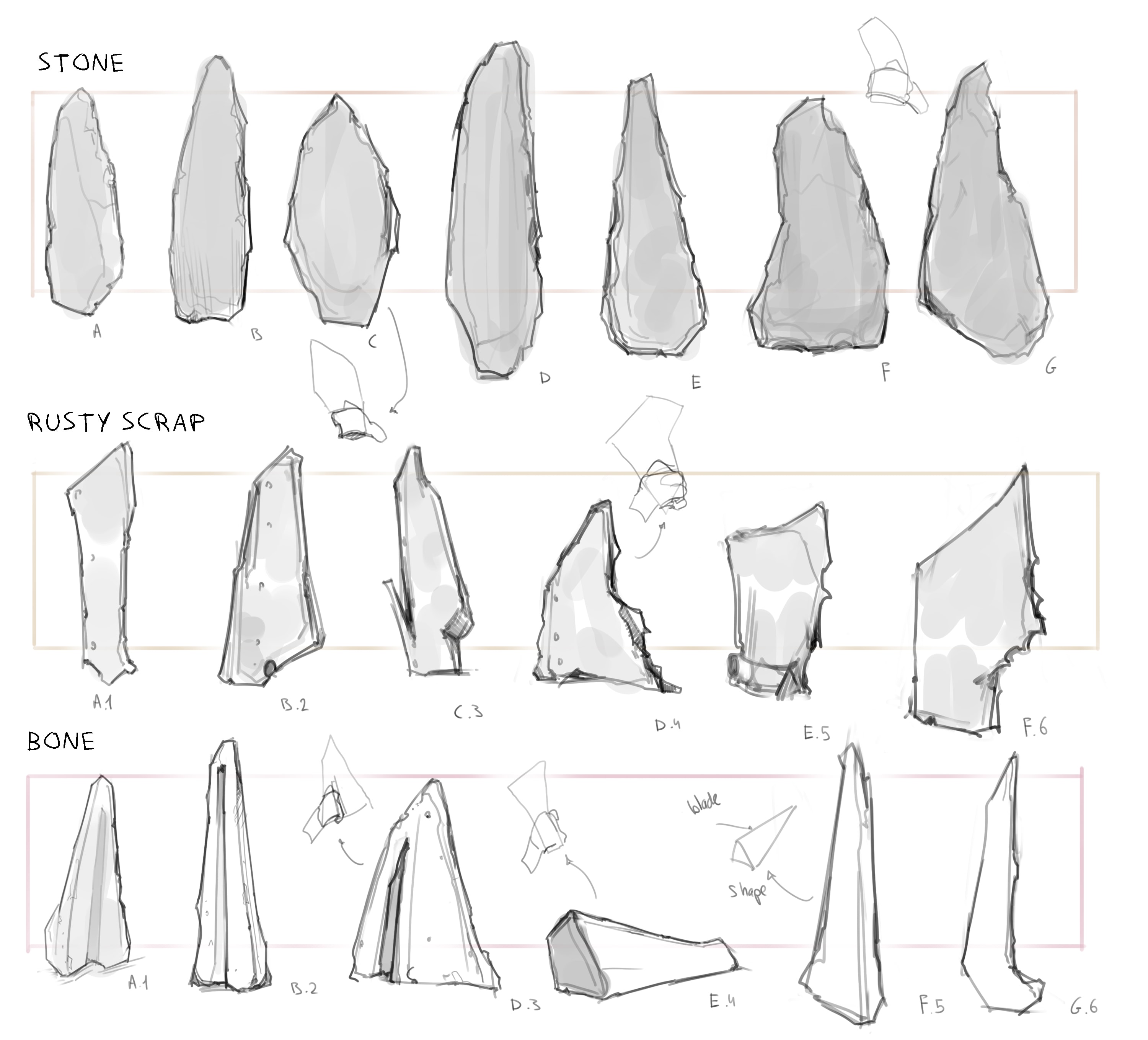
Next, we shortlist the best ones and explore how they could work with the modular construction and resources you find:
Then our artists take the idea from concept, to blockout, to finished models:
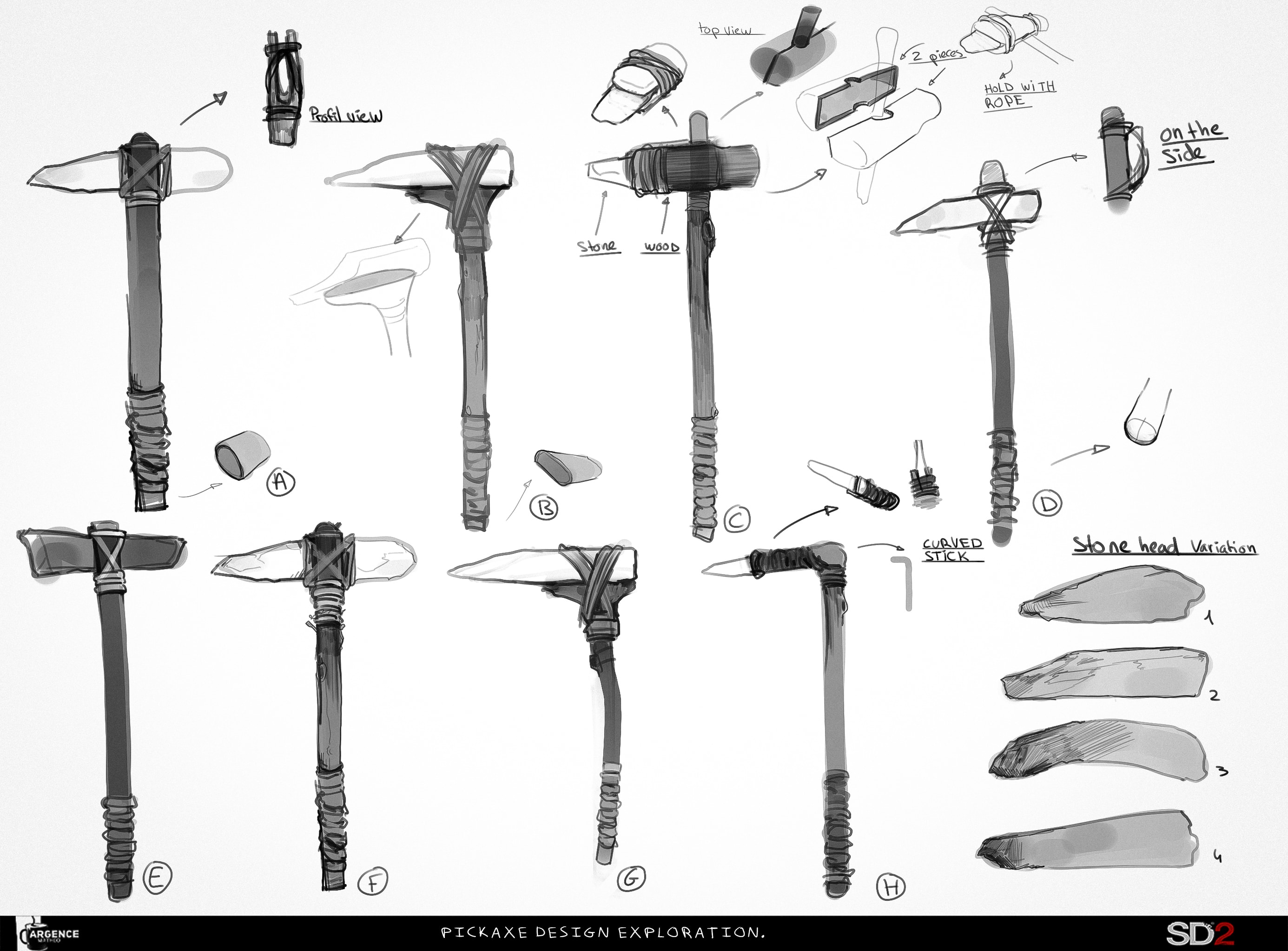
The same idea carries through to every tool. Here's how the same process is applied to something larger, like a pickaxe. First, shape exploration:
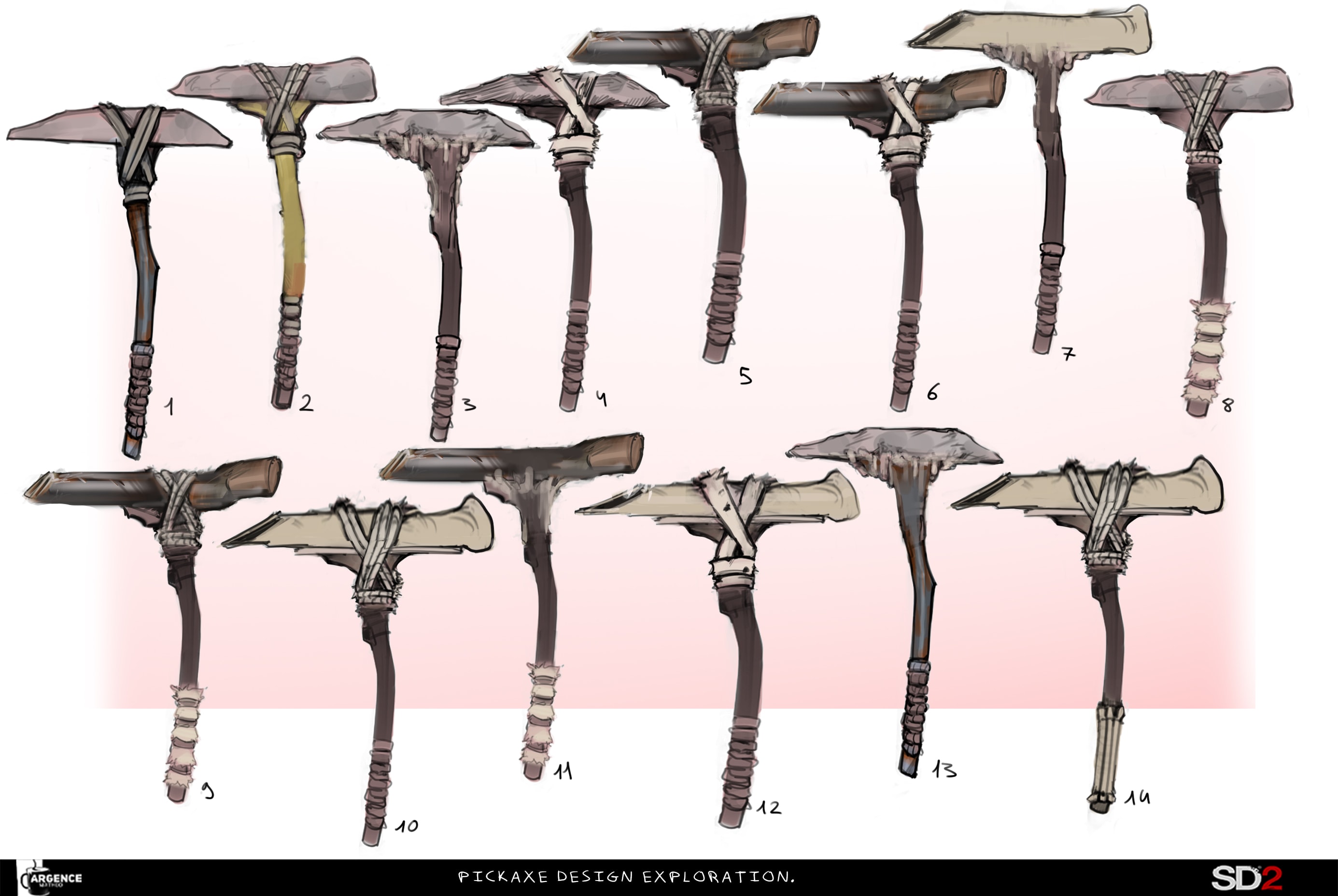
Then testing modular parts with different materials:
And finally, blocking it out in 3D:
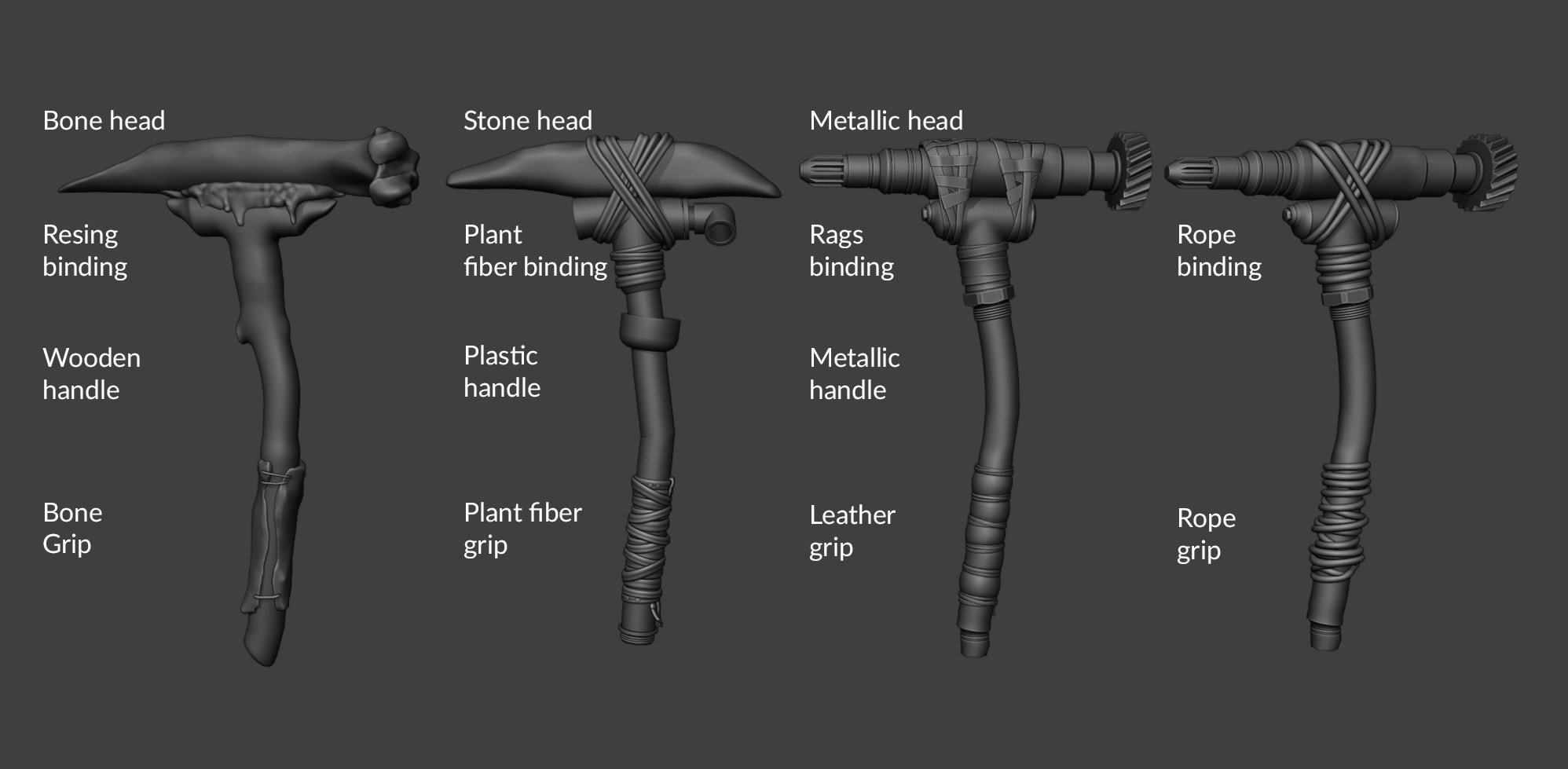
The pickaxe and other tools are still in the blockout stage so I'll share the finished versions soon. One thing not shown here is how we're adding more embellishments to each modular part, so the finished tool looks like one object instead of a set of pieces.
This also means you can build different tools for different jobs. Want a heavy axe that hits hard? A light one for gathering fast? A shovel built for maximum projectile impact when you throw it? Your tools are what you make them. As we add new areas and unique resources your options will keep growing, and that's before we even get into the other ways you'll be able to personalize your gear.
But the best materials won't come to you. You'll have to go find them.
Worth the Trip
Your first tools will be made from very basic materials found near camp like sticks, stone, and fiber. They work, but you'll soon want to upgrade. Want to hit harder? Resin comes from creosote bushes and can be used as a strong binding to increase damage. You'll need to make a trip to find it. Want your tool to last longer? Finding some quality rope to use as a binding or grip is a good start, so you'll need to explore the shipwreck nearby to see what was left behind. Every upgrade comes from exploring, and getting there and back is part of the adventure.
As you push deeper into the desert, the rewards get more worthwhile. Rare minerals, hardwoods, leather, metals, composites, and more. A lot can't be simply picked up — to craft advanced metals and composites, you'll need to find the raw materials, bring them home, and combine them in the right way with the right equipment.
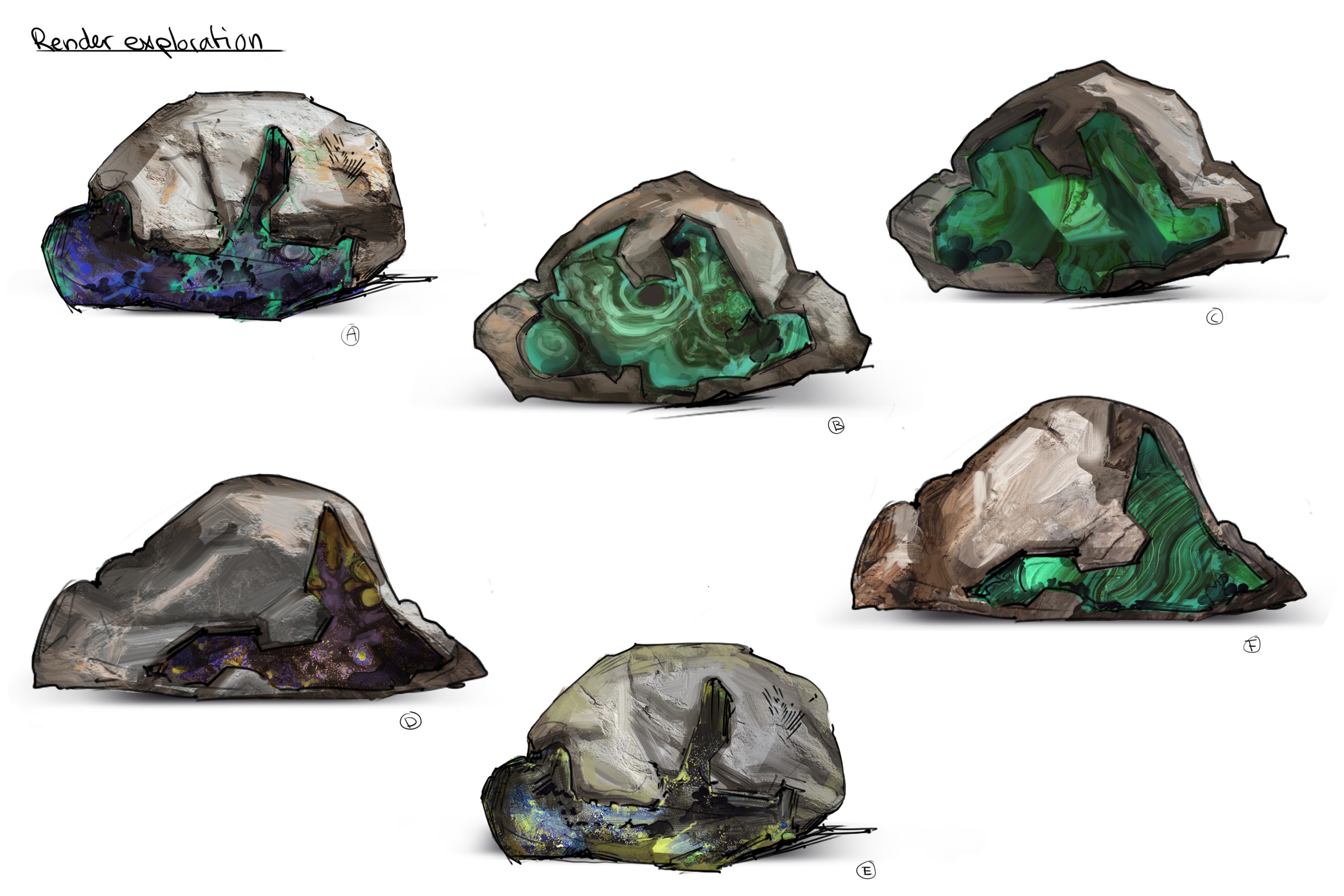
The further you venture, the better your gear gets. The better your gear, the further you can venture.
Join Us
Remember, Stranded Deep is free on Steam this weekend, so jump in, bring a friend, and get a feel for where it all started.
If you're excited for SD2, please wishlist it on Steam. This helps us a lot and it's the best way to support SD2 so more players find the game on Steam.
Then come and say hi over on the official Stranded Deep 2 Discord! Share your adventures and let us know what you're looking forward to most for SD2. I'd love to know what type of tools you want to create.
Stay Alive!